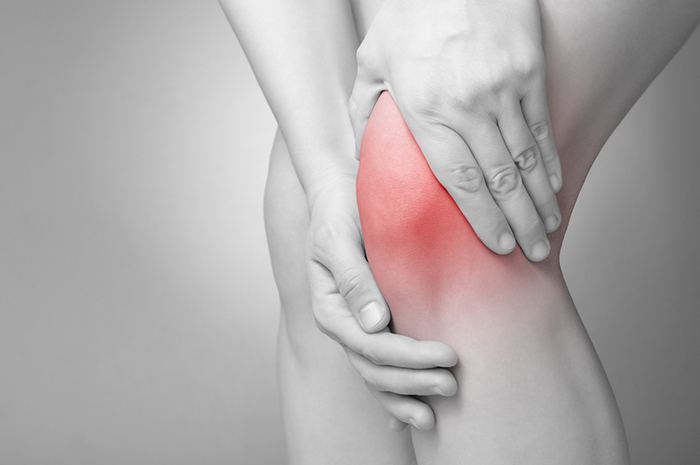


If you’ve started noticing persistent pain, stiffness or discomfort in your joints – particularly in your hips or knees – it could be more than simple wear and tear. While occasional aches are common, especially with age or activity, ongoing symptoms may point to early arthritis.
Recognising the early signs can help you take control of your joint health and access the right treatment before symptoms progress.
Stiffness, especially in the morning
One of the most common early signs of arthritis is stiffness in the joint, particularly after periods of rest. You might find it harder to get going in the morning or feel noticeably stiff after sitting for a while. This stiffness often eases with movement but returns when the joint is inactive again.
Pain that comes and goes – or gradually worsens
Joint pain related to early arthritis often starts as a mild, dull ache. It may come and go at first but gradually becomes more frequent or more intense. Pain might flare up after activity – such as walking, climbing stairs or standing for long periods – and may settle when you rest.
Swelling or tenderness around the joint
Inflammation in the joint lining can cause swelling, puffiness or warmth. You may also notice that the joint feels tender to the touch, even if there’s no obvious bruising or injury. These signs can suggest early joint changes that shouldn’t be ignored.
A reduced range of movement
You may find it harder to bend, straighten or rotate the joint as freely as you once did. Simple activities – like putting on shoes or getting in and out of the car – might start to feel more awkward or restricted. This gradual loss of flexibility is often one of the first signs that arthritis is developing.
Clicking, grinding or a feeling of instability
Some people describe a clicking or grinding sensation in the joint, particularly when moving. This can happen when the cartilage – which usually cushions the joint – begins to wear away. In some cases, the joint may feel as though it’s catching, locking or even giving way.
Joint pain that limits your daily routine
When pain or stiffness begins to interfere with everyday activities – such as walking, exercising, gardening or getting up from a chair – it’s a sign that something more serious may be going on. These symptoms can be mild at first but gradually make daily movements more difficult.
When to seek advice
Early arthritis can often be managed effectively, especially if it’s diagnosed before significant damage occurs. Taking action early opens up more treatment options – including lifestyle changes, physiotherapy, targeted injections or minimally invasive procedures.
Mr Nirav Shah is a consultant orthopaedic surgeon based in West Sussex, with extensive experience in treating early and advanced arthritis of the hip and knee. He helps patients explore personalised treatment options aimed at reducing pain, improving mobility and slowing progression of joint degeneration.
If you’re concerned about ongoing joint pain or stiffness, a consultation can provide clarity – and help you take the right steps to protect your joint health for the future.
Struggling with joint pain?
Speak to your GP or book a consultation with Mr Shah to discuss your symptoms and treatment options in more detail.