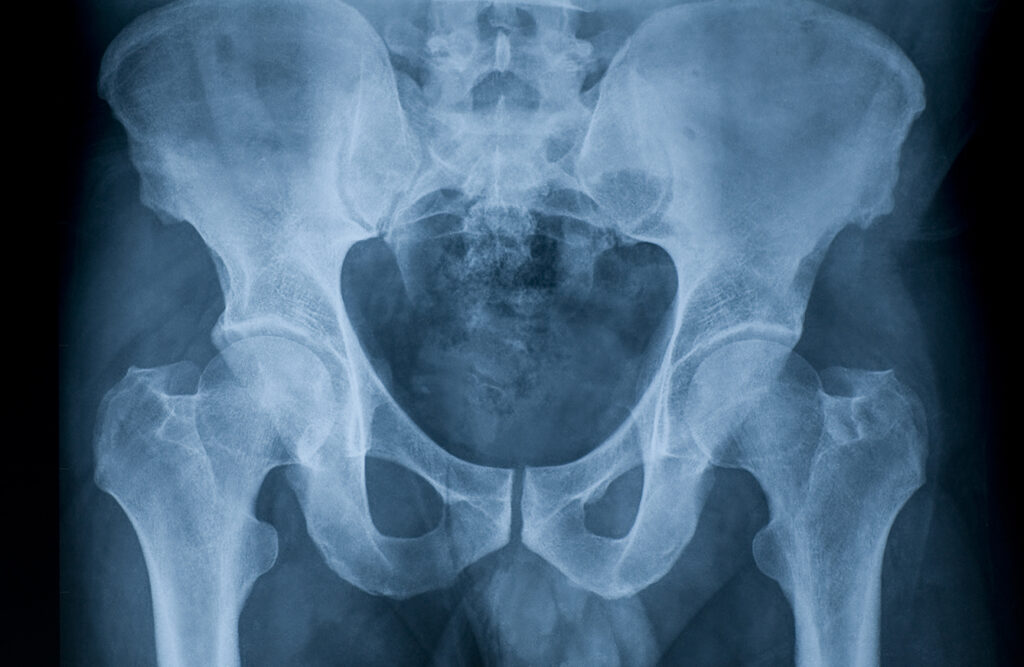
Metal hip replacements

Metal-on-plastic hip replacements have been around for many years and are still used for most NHS hip replacements today.
  • Cost-effective with reliable outcomes
  • A long track record for safety and lifespan
  • Durable and suitable for most activities

Tried and trusted results

During a hip replacement, Mr Shah will replace your damaged hip joint with an artificial ball and socket. The bearing surface of this ball and socket can be made from several different materials. Metal hip replacements have a long history of providing reliable outcomes. A metal ball combined with a plastic (polyethylene) cup provides a durable implant that can withstand most lifestyles and activities.
To avoid or delay revision surgery, we usually recommend metal implants to less active patients who are unlikely to wear down their prosthesis.

Who can benefit from a metal-on-plastic hip replacement

The downside of a metal-on-plastic implant is that over time the metal ball gradually wears down the plastic lining. This can cause the plastic to disintegrate and shed particles of polyethylene.

Your body identifies these particles as foreign objects and attacks them, leading to pain and inflammation. Eventually, your implant will need replacing, and you’ll need a second operation known as hip revision surgery.

I now feel three inches taller

My recovery time was surprisingly quick with little pain. I now feel three inches taller I stand upright I can bend much easier and I can walk forever. Life is good! Many thanks to Mr Shah and his team.

Alternatives to a metal hip replacement

A longer-lasting alternative to a metal hip replacement is a ceramic hip replacement, which features a ceramic ball and socket. It has a much lower wear rate and depending on your age and lifestyle, your new hip could last a lifetime.

During your consultation, Mr Nirav Shah will go through your implant choices in detail and recommend the prosthesis that’s best suited to your lifestyle.

Start your journey
to a new lease of life

To ask us a question or arrange a consultation with Mr Shah, don’t hesitate to get in touch.

Frequently asked questions

What is a metal-on-plastic hip replacement?

A metal-on-plastic implant should last at least 15 years. A ceramic hip replacement provides a longer-lasting alternative. Learn more

How long does a metal hip replacement last?

Metal-on-plastic hip replacements typically last 15–20 years but their lifespan can be reduced in more active patients due to wear on the plastic socket. Over time, this wear can lead to complications such as inflammation and bone loss, requiring revision surgery.  

Who is best suited for a metal-on-plastic hip replacement?

Metal implants are generally most suitable for older or less active patients who are unlikely to place excessive strain on the prosthesis. Those with a more active lifestyle may benefit from exploring alternative materials with lower wear rates.

Are there any downsides to a metal hip replacement?

It’s hard to believe that a metal or ceramic prosthesis could feel or function like a natural hip joint, but most patients can’t tell the difference.

Are there better alternatives to metal-on-plastic implants?

Yes, ceramic hip replacements have become an increasingly popular choice. They are more durable, produce fewer wear particles and are better suited for active individuals. For many patients, a ceramic implant could even last a lifetime.

What activities can I do with a metal hip replacement?

A metal-on-plastic hip replacement is suitable for everyday activities like walking, swimming and light exercise. However, higher-impact activities such as running or sports that involve twisting motions can accelerate wear, increasing the risk of needing revision surgery.  

What happens if my metal implant wears out?

If the plastic component wears down too much, it can cause pain and inflammation, leading to the need for hip revision surgery. This is why choosing an implant with a longer wear life – such as ceramic – can be beneficial in the long term.

How do I decide which type of hip replacement is best for me?

During your consultation, Mr Nirav Shah will discuss the advantages and disadvantages of different implant types, considering your age, lifestyle and long-term health. Many patients today opt for ceramic implants due to their durability and reduced risk of complications.