

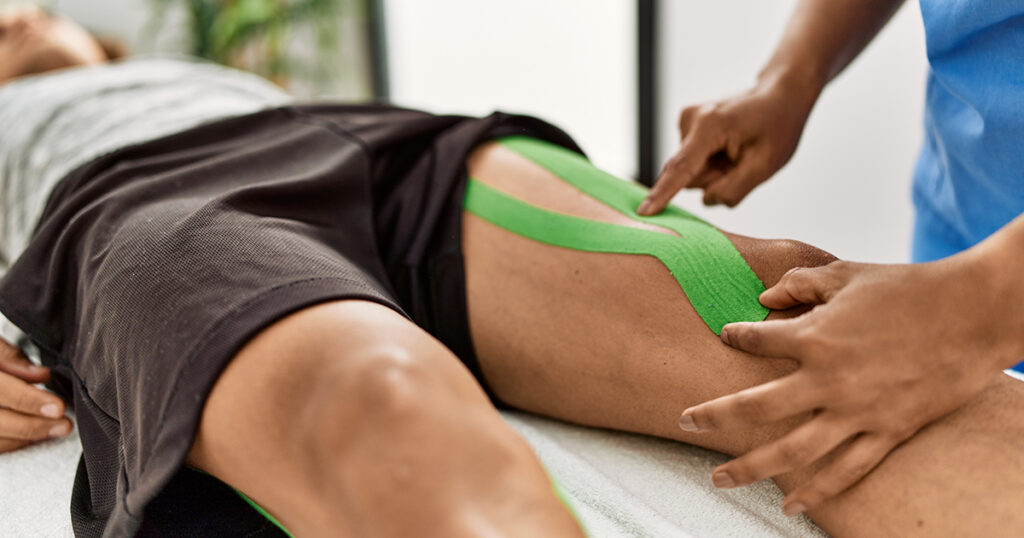
When it comes to joint health, many people assume that surgery is inevitable once hip or knee problems arise. However, physiotherapy can play a crucial role in managing joint pain, improving mobility and even delaying or preventing the need for surgery.
Here’s how physiotherapy can help you maintain healthier joints for longer.
The benefits of physiotherapy
Strengthens the muscles around the joint
Weak muscles can put extra strain on your joints, worsening pain and stiffness. A physiotherapist can guide you through targeted exercises to strengthen the muscles around your hip or knee, reducing pressure on the joint itself.
Improves joint flexibility and function
Stiffness in the hip or knee can limit movement and make daily activities challenging. Physiotherapy focuses on improving flexibility and restoring normal joint function through stretching and mobility exercises.
Reduces pain and inflammation
Manual therapy techniques, such as massage and joint mobilisation, can help alleviate pain and reduce swelling. Physiotherapists may also use treatments like ultrasound therapy or heat and cold therapy to manage symptoms.
Helps maintain a healthy BMI
Excess weight increases stress on the hip and knee joints, accelerating wear and tear. Physiotherapists can provide guidance on safe and effective exercises to help with weight management, reducing strain on your joints.
Corrects movement patterns
Sometimes, joint problems stem from poor posture or incorrect movement patterns. Physiotherapists can assess how you walk, stand and move, then teach you better ways to use your joints to prevent further damage.
When can physiotherapy help avoid surgery?
Physiotherapy is most effective in the early stages of joint conditions such as osteoarthritis, tendonitis or ligament injuries. If caught early, conservative treatments like physiotherapy, medication and lifestyle changes may be enough to manage symptoms and delay the need for surgery.
However, in cases of severe joint damage – such as advanced arthritis or a joint that has completely worn away – surgery may still be necessary. Even then, physiotherapy is a valuable tool both before and after surgery to aid recovery and optimise outcomes.
Signs you may benefit from physiotherapy
If you’re experiencing any of the following symptoms, physiotherapy could help:
- Persistent joint pain that worsens with activity
- Stiffness or reduced range of motion
- Swelling or inflammation around the joint
- Difficulty walking, climbing stairs or getting up from a chair
- A sensation of weakness or instability in the joint
Take control of your joint health
Physiotherapy can be a powerful tool in managing joint pain and maintaining mobility. By strengthening muscles, improving flexibility and correcting movement patterns, it can help many people avoid or delay the need for surgery.
If you’re experiencing joint pain and want to explore non-surgical treatment options, contact Mr Shah today to discuss your next steps. We work closely with a fantastic team of local physiotherapists to provide comprehensive, tailored treatment plans that support your joint health.